

Dreaming of a future shaped by words, cultures, and global connections? Applying to a language university could be your first exciting step towards making that dream a reality. Choosing to focus your higher education on language studies opens doors to a world of opportunities, from international careers to a deeper understanding of diverse societies. But how do you navigate the application process successfully? Let’s break it down, ensuring you’re well-prepared to submit a compelling application.
Why Choose a Language University for Your Studies?
A university specializing in language studies, or one with robust language programs, offers more than just vocabulary lists and grammar drills. It provides an immersive environment where you can truly master a language (or multiple languages) and gain invaluable cultural fluency. This isn’t just about speaking; it’s about thinking, understanding, and connecting on a deeper level.
The benefits extend far beyond the classroom. Studying languages sharpens your cognitive skills, improving memory, problem-solving abilities, and multitasking. It also significantly broadens your career prospects in an increasingly interconnected world. Think about the possibilities that open up when you can communicate effectively across linguistic barriers.
“Pursuing a language degree is an investment in global literacy. It equips students not just with communication skills, but with the cultural intelligence needed to thrive in any international setting.” – Dr. Anya Sharma, Professor of Linguistics.
Whether your passion lies in literature, translation, international relations, business, or technology, strong language skills are a powerful asset. They can transform a standard job into a globally-focused career. For those exploring various professional avenues, understanding how language proficiency can be a key differentiator is crucial. Discovering how strong language skills can lead to diverse Jobs Using Foreign Languages can be incredibly motivating during your application journey.
The Application Process: What to Expect When You Apply To Language University
Applying to higher education can feel daunting, but breaking it down into manageable steps makes it much less intimidating. The specifics vary between institutions and countries, but the core process often includes gathering documents, writing essays, and potentially undergoing interviews or tests.
Generally, the process looks something like this:
- Research Programs and Universities: Identify institutions that offer programs aligned with your language interests (e.g., specific languages, linguistics, translation, cultural studies). Look at their curriculum, faculty, location, and reputation.
- Understand Requirements: Each university and program will have specific academic prerequisites, standardized test scores (like TOEFL or IELTS for non-native English speakers, or SAT/ACT for some systems), and required documents.
- Gather Necessary Documents: This typically includes transcripts, letters of recommendation, standardized test scores, and proof of language proficiency.
- Write a Strong Personal Statement/Essay: This is your chance to tell the admissions committee who you are, why you’re passionate about languages, and why you’re a good fit for their program.
- Submit Your Application: Complete the online application form and upload all required materials before the deadline.
- Attend Interviews or Take Entrance Exams (If Required): Some programs may require an interview or a specific language proficiency test.
Gathering Your Application Materials
The paperwork can pile up, so start early! You’ll likely need:
- Official academic transcripts from all previous institutions.
- Standardized test scores (e.g., SAT, ACT, GRE) if required.
- Language proficiency test scores (e.g., TOEFL, IELTS, DELF, Goethe-Zertifikat) if applying to study a language not your native one, or applying in a language that is not your native one.
- Letters of recommendation from teachers or mentors who can speak to your academic abilities and passion for languages.
- A detailed resume or curriculum vitae (CV) highlighting your relevant experiences.
 Preparing application documents for language university with focus on transcripts and test scores
Crafting Your Compelling Personal Statement
Your personal statement is perhaps the most critical piece of your application. It’s where your personality, passion, and potential truly shine. Don’t just list your achievements; tell a story.
- Show, Don’t Tell: Instead of saying “I am passionate about Spanish,” describe a moment where learning Spanish opened your eyes to a new cultural perspective.
- Connect to the University: Explain why this specific language university or program is the right fit for you. Reference specific courses, faculty, or research opportunities that excite you.
- Highlight Relevant Experiences: Talk about language exchange programs, language clubs, relevant volunteer work, or travel experiences that fueled your interest.
- Be Authentic: Let your unique voice come through. Admissions committees read many essays; yours should stand out.
Writing a powerful statement requires introspection and refinement. Think about the Foreign Language Major Benefits that resonate most deeply with you and weave them into your narrative. Why are these benefits particularly important for your future aspirations?
Tips for a Successful Application to Language University
Applying isn’t just about meeting requirements; it’s about presenting yourself as a motivated, capable, and enthusiastic candidate. Here are some tips to boost your chances:
- Start Early: Give yourself ample time to research, gather documents, write essays, and meet deadlines. Rushing leads to mistakes.
- Tailor Your Application: Customize your personal statement and even recommendation requests for each university you apply to. Generic applications are less impactful.
- Proofread Meticulously: Errors in grammar or spelling can undermine your credibility, especially when applying for a language program! Get multiple people to read over your application.
- Practice Language Skills: If an interview or test is required, practice speaking and writing in the target language. Show your current ability and your potential for growth. Improving your speaking skills should be an ongoing effort, and resources like an Improve Language Speaking Skills guide can be useful during this preparation phase.
- Engage with the University: If possible, attend virtual or in-person information sessions, connect with current students or faculty, or take a virtual campus tour. This shows genuine interest and can provide insights for your application.
 Student preparing for language university application process outlining steps and tips
What if Your Language Skills Aren’t Perfect Yet?
Don’t let perceived imperfections hold you back. Universities understand you’re applying to learn and grow. Be honest about your current level and highlight your eagerness, capacity to learn, and any steps you’ve already taken (like self-study, online courses, or exchange partners). Focus on your potential and passion. Many universities offer programs for various proficiency levels. Leveraging an Online Language Learning Platform before applying can demonstrate your commitment and give your skills a boost.
After Submitting: What Comes Next?
Once you’ve hit submit, take a breath! The waiting period can be challenging, but there are still things you can do.
- Follow Up (If Appropriate): Check the university’s application portal regularly. Only contact the admissions office if absolutely necessary and follow their preferred communication methods.
- Prepare for Next Steps: If interviews or entrance exams are part of the process, dedicate time to preparing for these.
- Explore Funding Options: Research scholarships, grants, and financial aid opportunities available from the university, external organizations, or your government.
- Consider Internships and Opportunities: Think about how you might gain practical experience while studying or after graduation. Exploring Internships For Language Students early can give you a vision for what your studies can lead to.
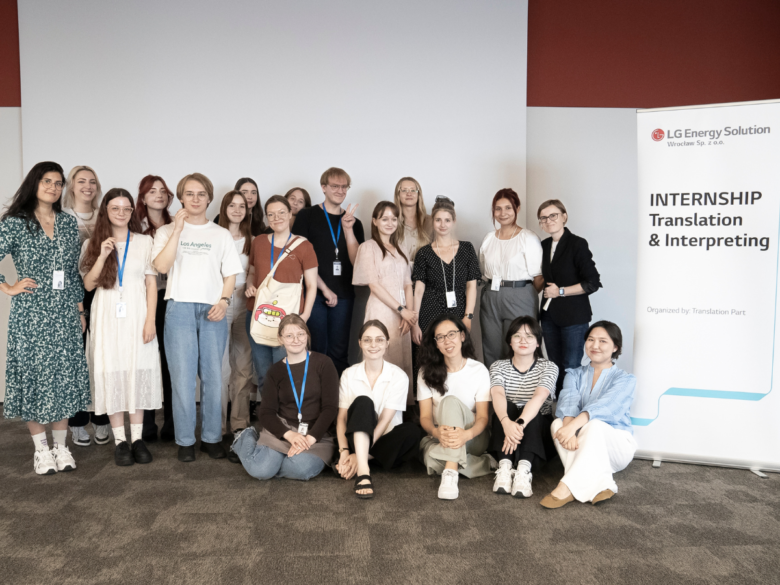 Language student considering future career opportunities and internships
“The application is the entry point, but the real journey begins once you’re accepted. Use the waiting time to visualize your future studies and potential career paths. It reinforces your motivation.” – Professor David Chen, Career Advisor for Language Graduates.
Conclusion
Successfully applying to a language university requires careful planning, attention to detail, and a clear articulation of your passion and goals. By understanding the process, preparing your materials meticulously, and presenting your authentic self, you significantly increase your chances of acceptance. Remember, this is more than just getting into a school; it’s about unlocking a world of knowledge, cultural understanding, and exciting future possibilities. Take the leap and apply to language university today!
