

Imagine stepping outside the classroom and into a world where English isn’t just a subject, but the air you breathe. That’s the transformative power of a cultural immersion study trip. Within the first 50 words, let’s be clear: embarking on a cultural immersion study trip is arguably the most effective and enriching way to accelerate your English language learning journey and deepen your understanding of the world. It’s an experience that promises growth, discovery, and unparalleled linguistic progress.
What Exactly is a Cultural Immersion Study Trip?
So, you might be asking, “What’s the difference between a cultural immersion study trip and just going on vacation?” That’s a great question! While both involve travel, their purposes differ significantly. A vacation is primarily for relaxation, sightseeing, and leisure. You might interact with locals, but typically within tourist contexts (hotels, restaurants, shops).
A cultural immersion study trip, on the other hand, is intentionally designed for deep engagement with a specific culture and, in our focus, intensive language practice. It integrates structured learning – often through language classes – with living and interacting daily within the local community. This might involve staying with a host family, participating in local activities, volunteering, or even undertaking internships. The goal is to live the language, not just study it.
It’s about stepping outside your comfort zone and actively participating in the daily life of the destination country. This isn’t passive observation; it’s active involvement.
Why is Cultural Immersion a Game Changer for Learning English?
This is where the magic happens, especially for English language learners. While textbooks and apps are essential tools, they can only take you so far. A cultural immersion study trip provides the real-world laboratory needed to truly master English.
Accelerated Language Acquisition
Surrounding yourself with English 24/7 forces your brain to work overtime in the best possible way.
- Constant Listening Practice: You’ll be exposed to various accents, speeds, and everyday conversations. This trains your ear to understand English as it’s actually spoken.
- Mandatory Speaking Practice: To navigate daily life – ordering food, asking for directions, chatting with your host family – you must speak. This overcomes the fear of making mistakes, which is a major barrier for many learners.
- Vocabulary Expansion: You’ll learn vocabulary and phrases relevant to real-life situations that no textbook can fully replicate – slang, idioms, regional expressions.
- Improved Pronunciation and Intonation: By listening and mimicking native speakers in authentic contexts, you naturally improve your pronunciation and develop a more natural rhythm of speech.
Building Confidence and Fluency
The ability to communicate successfully in real-life situations is a massive confidence booster. Each small victory – successfully buying a train ticket, having a spontaneous conversation, understanding a joke – builds momentum.
“Immersion is the fast track to fluency because it removes the artificial boundaries of the classroom,” says Dr. Anya Sharma, a leading expert in second language acquisition. “When communication is necessary for daily function, students become incredibly motivated to practice and improve rapidly.”
Fluency isn’t just about knowing many words; it’s about speaking smoothly and naturally. Immersion forces you to think in English, reducing translation time and improving spontaneity.
Understanding Cultural Context
Language is deeply intertwined with culture. Learning English through immersion means you also learn the cultural nuances, body language, customs, and social norms of English-speaking communities. This is crucial for truly effective communication.
- Understanding humor and sarcasm
- Interpreting non-verbal cues
- Navigating social situations appropriately
- Gaining global competence and cross-cultural understanding
This goes beyond just language and contributes to becoming a well-rounded global citizen.
Personal Growth and Global Citizenship
A cultural immersion study trip is a journey of self-discovery. It challenges you, helps you become more independent, adaptable, and resilient. You’ll develop empathy and a broader perspective on the world.
Planning Your Cultural Immersion Adventure
Okay, convinced about the benefits? Now, how do you actually make a cultural immersion study trip happen? Planning is key.
Choosing the Right Destination
Where in the English-speaking world calls to you? Consider:
- Your English Goals: Do you want to learn British English, American English, Australian English? Each region has unique characteristics.
- Cultural Interest: Which culture excites you the most? Research the history, arts, and social life.
- Budget: Costs vary significantly by country and city.
- Visa Requirements: Research visa regulations for your nationality.
- Safety and Comfort: Choose a place where you feel reasonably safe and comfortable navigating, especially if it’s your first trip.
Popular destinations include the UK, USA, Canada, Australia, New Zealand, and even countries where English is widely used as a second language but offers unique cultural experiences (like Ireland or parts of Europe).
Program vs. Independent Travel
You have options for how you structure your cultural immersion study trip:
- Structured Programs: Universities, language schools, and specialized organizations offer packages that include classes, accommodation (often host families), planned activities, and support. These are great for first-timers or those who prefer guidance.
- Independent Travel: If you’re more experienced and self-reliant, you could arrange your own language classes, accommodation (rentals, host stays), and daily activities. This offers maximum flexibility but requires more planning.
Consider what level of support you need and how much independence you desire.
Budgeting and Funding
Cultural immersion study trips can be a significant investment.
- Major Costs: Tuition fees (if applicable), flights, accommodation, daily expenses (food, transport, activities), visa fees, insurance.
- Finding Funding: Look for scholarships, grants, or student loans specifically for study abroad or international experiences. Many universities and external organizations offer these. Saving diligently is also crucial.
“A cultural immersion trip is an investment in your future, both linguistically and personally,” notes Professor David Lee, specializing in international education programs. “While cost is a factor, explore all funding avenues. The ROI in terms of fluency and global readiness is immense.”
Plan a realistic budget and track your spending while abroad.
Safety and Preparation
Your well-being is paramount.
- Research the Area: Understand local customs, laws, and potential safety concerns.
- Health: Consult your doctor about necessary vaccinations or medications. Get comprehensive travel health insurance.
- Documents: Ensure your passport is valid and secure. Make copies of important documents.
- Contacts: Leave your itinerary and contact information with family or friends back home. Know local emergency numbers.
- Basic Language: Even if you’re going for English immersion, learning a few basic phrases in the local language (if different) can be helpful and shows respect.
Preparation reduces stress and allows you to focus on the immersion experience itself.
Making the Most of Your Immersion Experience
Once you’re there, it’s time to dive in!
Embrace the Local Culture
Don’t just stay in tourist bubbles.
- Try Local Cuisine: Food is a huge part of culture.
- Attend Local Events: Festivals, markets, sports events, concerts.
- Visit Non-Tourist Spots: Explore neighborhoods where local people live and socialize.
- Learn Local Etiquette: Observe and adopt local customs regarding greetings, dress, and social interactions.
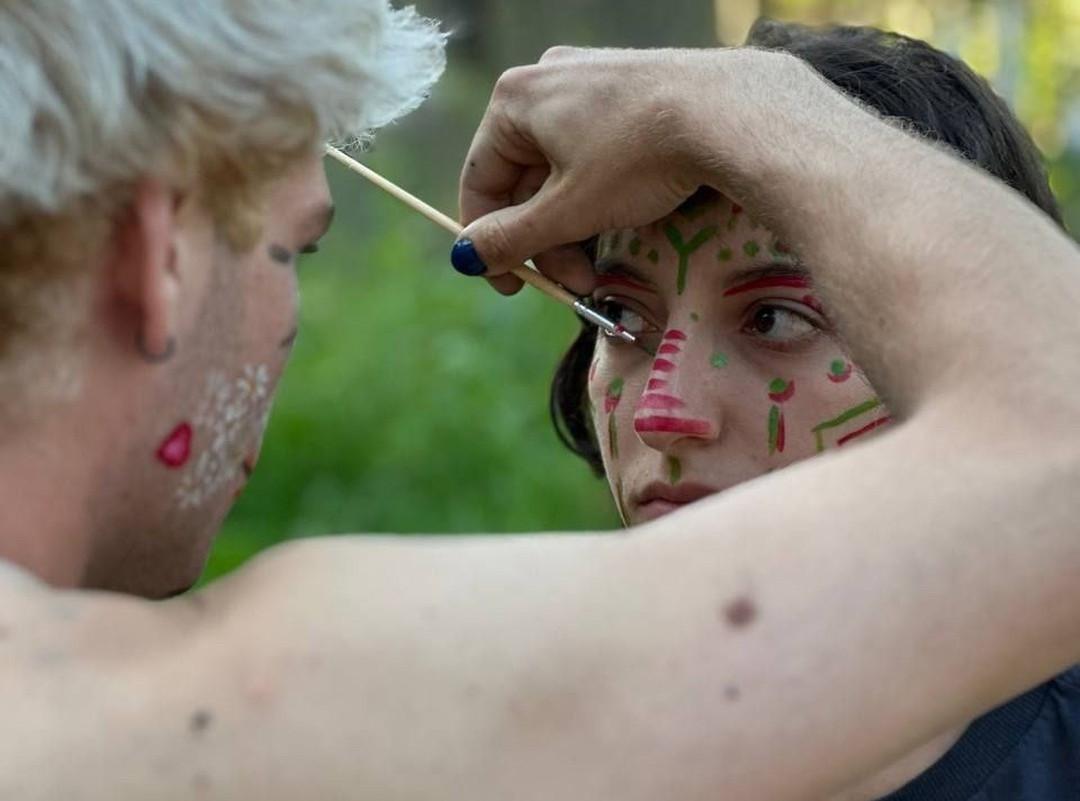 Young student participating in local cultural activity abroad
Seek Opportunities to Speak English
This is your primary goal.
- Talk to Your Host Family: Engage in daily conversations.
- Join Clubs or Activities: Find groups based on your hobbies (sports, arts, volunteering).
- Use English at Shops/Restaurants: Don’t switch to your native language if possible.
- Make Local Friends: Seek out interactions beyond your fellow students.
- Volunteer: This is an excellent way to practice English while contributing to the community.
Challenge yourself to speak English as much as possible, even when it’s difficult.
Reflect and Connect Your Experiences
Don’t let the experience rush by.
- Keep a Journal: Write about your daily experiences, challenges, and language learnings in English.
- Reflect on Cultural Differences: Think about how the local culture differs from your own and what you’re learning.
- Connect with Your Studies: Think about how your real-world experiences relate to what you’re learning in language classes or academic subjects.
This reflection deepens your understanding and reinforces learning.
 Student writing in journal reflecting on cultural immersion trip
“Active engagement is the key to unlocking the full potential of immersion,” advises Dr. Anya Sharma. “Step out, speak up, make mistakes, and learn from every interaction. That’s where true fluency takes root.”
Conclusion
A cultural immersion study trip is far more than just a trip; it’s an intensive, dynamic, and profoundly rewarding educational experience. For anyone serious about mastering English and developing a truly global perspective, it offers benefits that classroom learning alone cannot provide – accelerated fluency, deep cultural understanding, and invaluable personal growth. It requires careful planning and a willingness to step outside your comfort zone, but the rewards are immeasurable. Start exploring your options today and embark on the journey that could transform your English skills and your view of the world.
